Neurostimulation and tAN® Research
Grounded in clinically evaluated neurostimulation research and technology.
The Outer Ear as the Gateway to the Nervous System
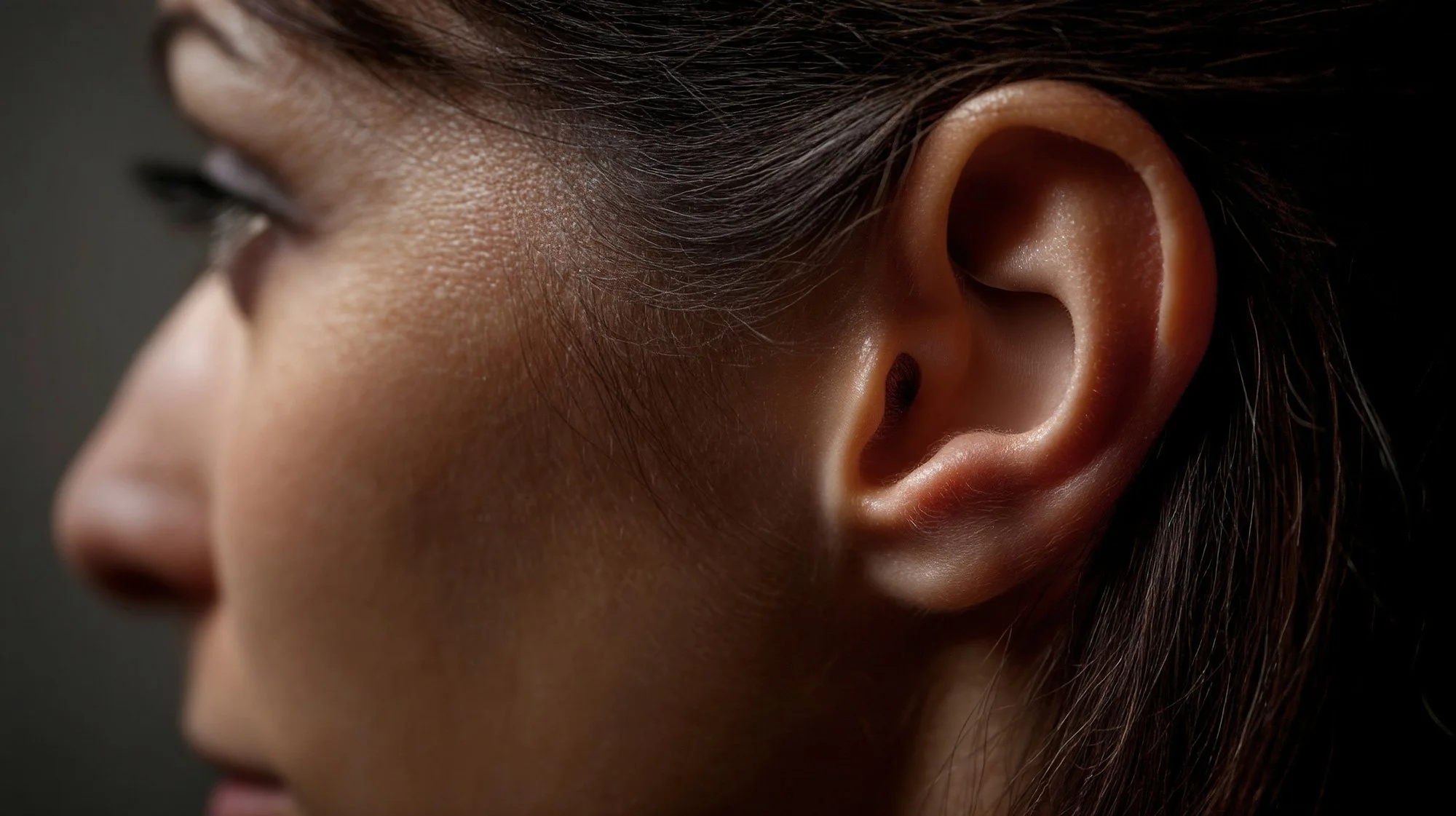
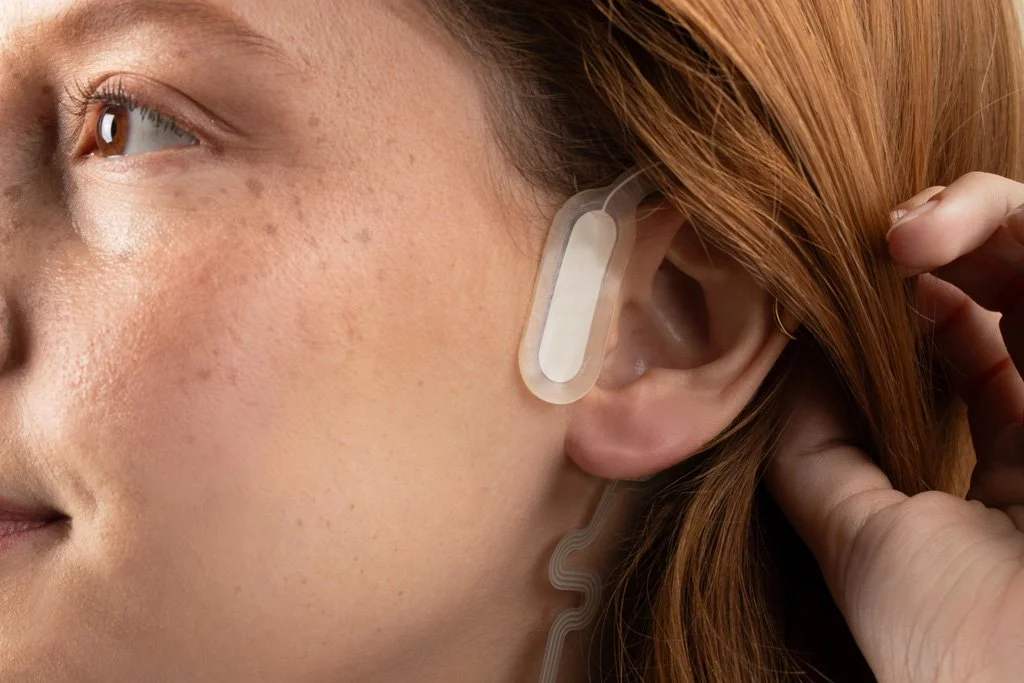
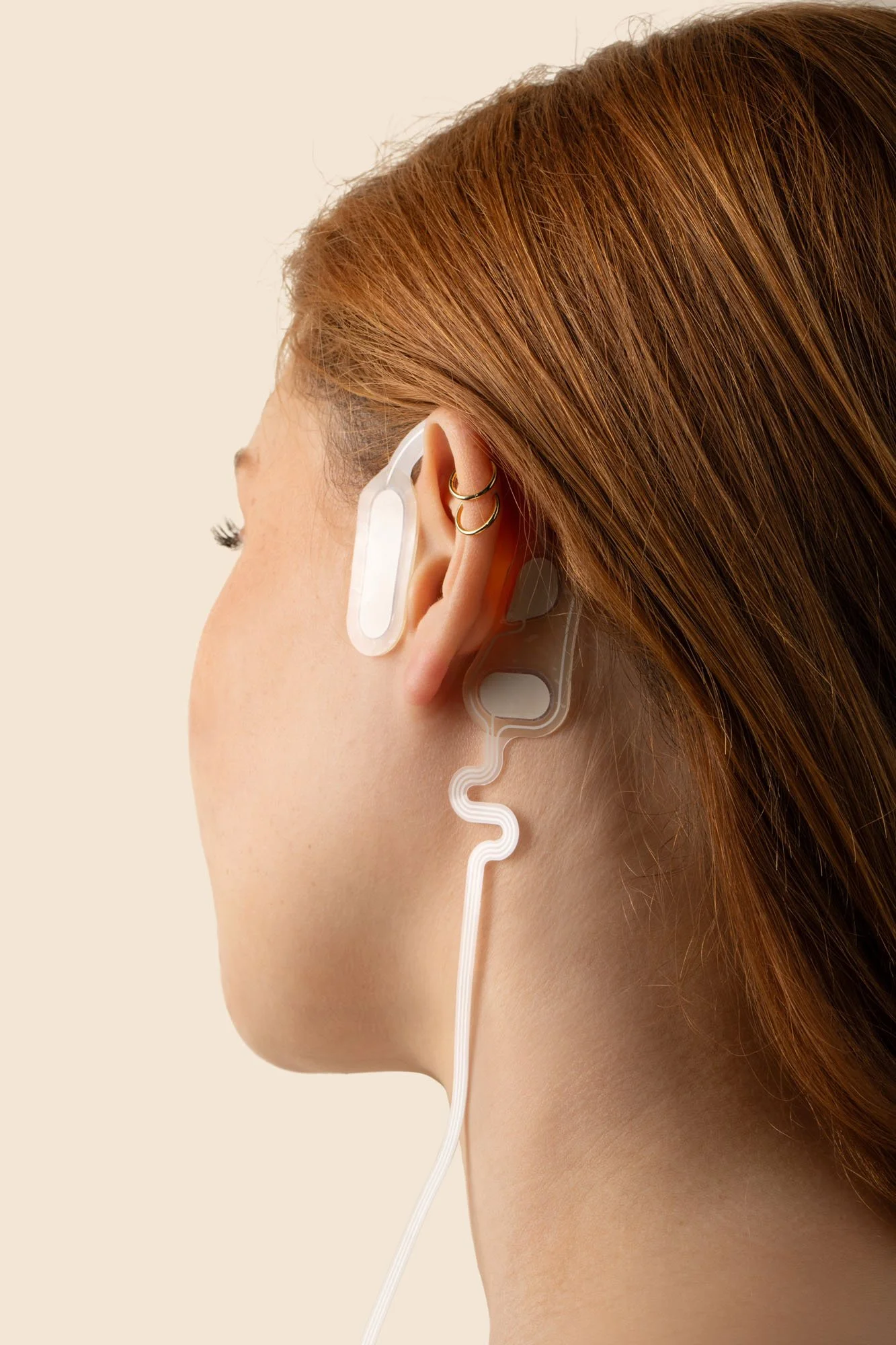
Transcutaneous Auricular Neurostimulation (tAN®) delivers precisely calibrated electrical stimulation through the outer ear. This engages the vagus nerve and trigeminal nerve pathways that govern autonomic function, pain perception, inflammation, mood, and recovery.
By targeting these pathways, tAN® devices can modulate the autonomic nervous system on demand. This provides therapeutic effects that would otherwise require medication, surgery, or intravenous delivery.
This platform is the result of years of research, clinical validation, and partnership with some of the world's foremost academic medical institutions — and it continues to reveal new possibilities across a growing range of health applications.
Peer-Reviewed Clinical Work
In a peer-reviewed clinical study evaluating Transcutaneous Auricular Neurostimulation (tAN®) during menstruation, participants demonstrated measurable improvements across multiple menstrual outcomes.

-
Participants reported decreased overall cycle-related discomfort
-
Participants experienced a measurable decrease in average menstrual length
-
Participants reported improvement in cycle-associated digestive symptoms
-
Participants experienced a significant reduction in menstrual blood loss during the treatment cycle.
Clinical Study 2
A pilot clinical trial demonstrated that transcutaneous auricular neurostimulation (tAN®) — a non-invasive, drug-free earpiece — produced clinically meaningful reductions in menstrual blood loss, symptom burden, and period duration in women with heavy menstrual bleeding (HMB).
-
Participants reported fewer and less severe symptoms across their entire cycle, including pain, GI discomfort, and brain fog.
-
Women in the study reported less cramping, abdominal discomfort, and pain, with results strengthening over the second and third months of use.
-
Participants reported spending meaningfully less time in bed due to their symptoms.
-
Participants reported substantially less brain fog, and concentration issues by their third month of use.
The Role of Platelets During Menstruation
Neurostimulation and Hemostasis
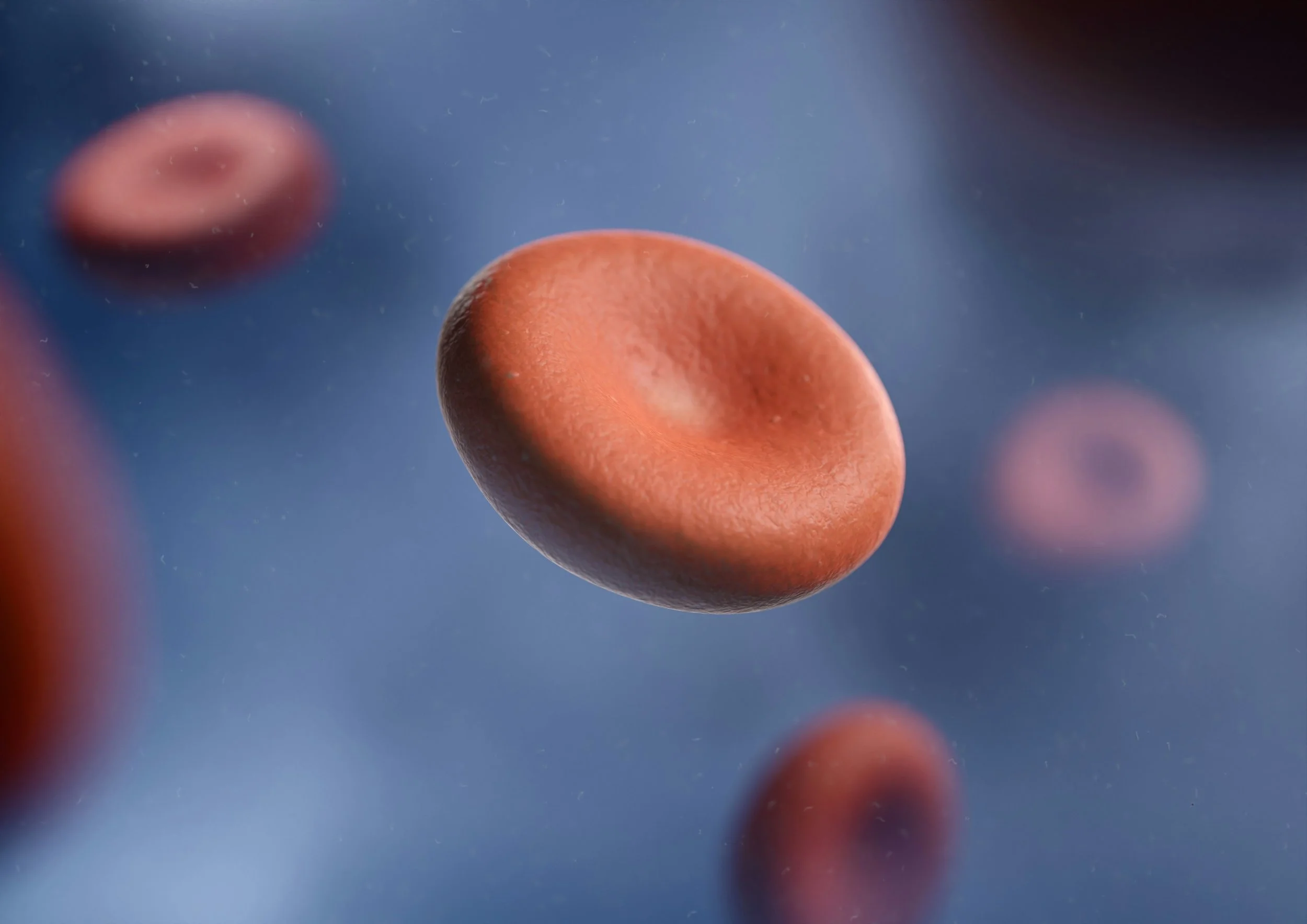
Emerging research shows that the nervous system plays an important role in how the body regulates blood flow, including how platelets respond and prepare during the menstrual cycle. This connection between nerve signaling and platelet activity highlights the powerful link between the brain and the body. By gently supporting vagus nerve activity, neurostimulation may help encourage a more balanced, regulated menstrual experience and overall sense of ease.
Clinical Study Findings
Behind the Results
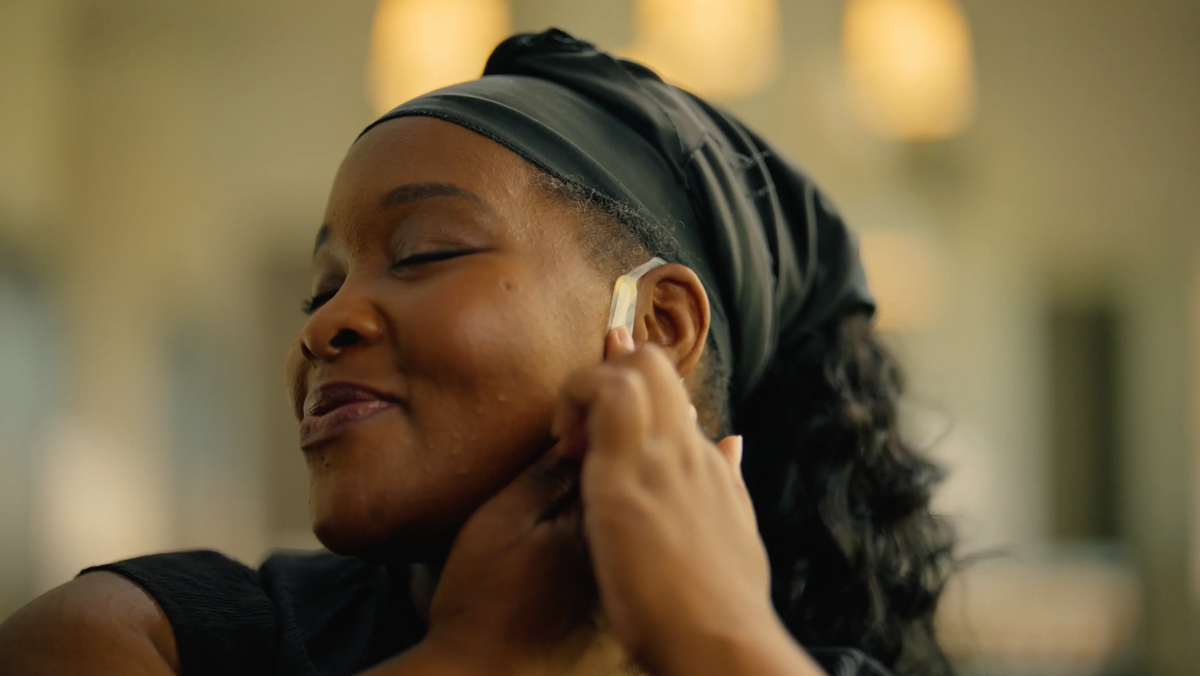
A decentralized study was conducted in an at-home setting, allowing participants to use the device during one treatment cycle compared to one baseline cycle without use. Participants wore the device for two hours per day during menstruation. Menstrual blood loss was measured using the validated Pictorial Blood Assessment Chart (PBAC).
Building on these findings, a larger pivotal clinical study is now underway.
There are continual options to explore new applications for tAN® through partnering with institutions through the Sparrow Link program.
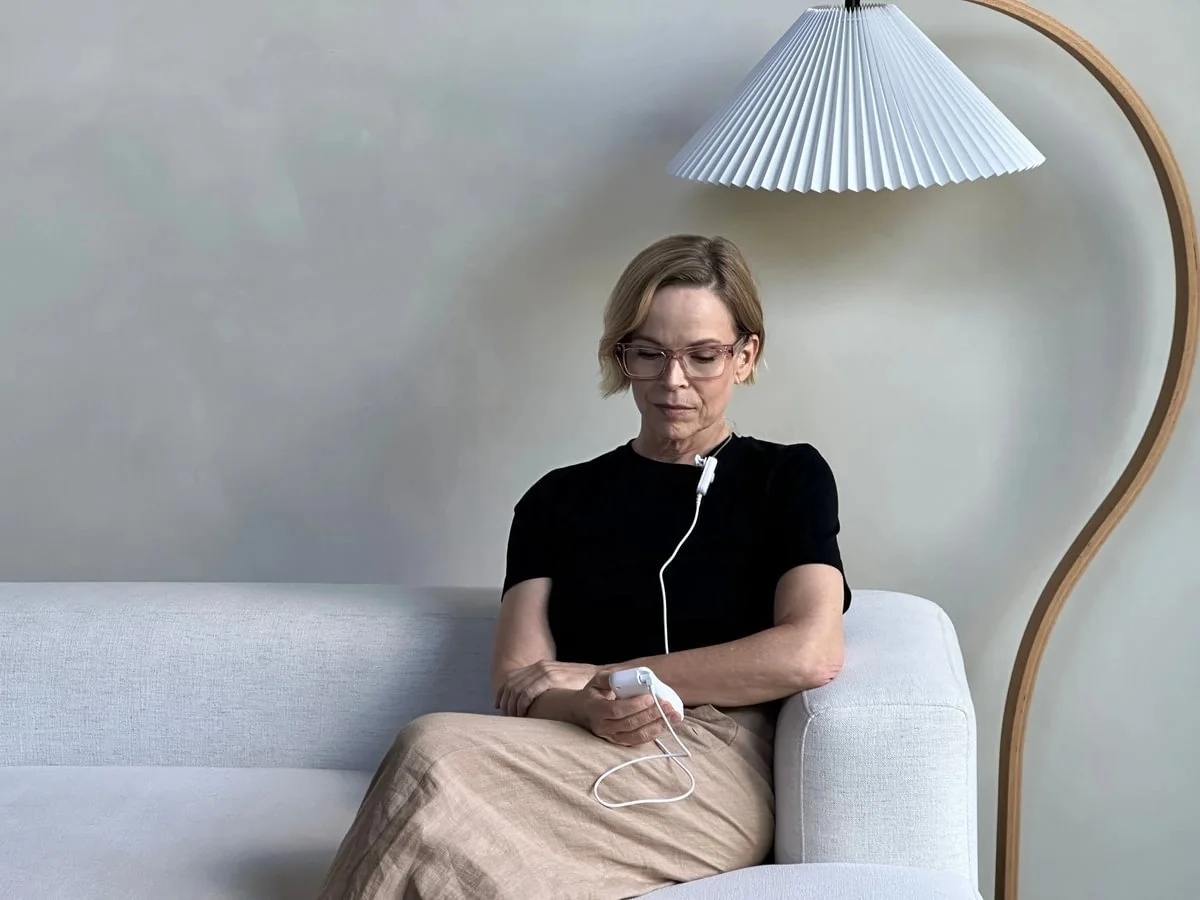
Sparrow Link is a non-invasive, wearable neurostimulation research platform that empowers research teams to tap into and customize the transcutaneous auricular neurostimulation.
Ongoing Research
Published Blogs + Articles
-
![]()
Your Ear Holds the Key: The Science Behind OhmBody’s Period Wellness Technology
If you’ve ever wished for a way to feel calmer and more comfortable during your period, you’re not alone. Monthly cycles bring a wave of physical and emotional shifts that can leave your body genuinely off-balance. That’s exactly the experience OhmBody was designed to support.
-
![]()
Understanding the LUNA Study: How Wearable Neurostimulation is Being Tested to Treat Heavy Periods
If you've been dealing with heavy periods, you know it’s more than “just that time of the month.” Heavy menstrual bleeding (HMB) can take over your calendar, your energy, and your peace of mind. At OhmBody, we believe women deserve better options. That's why we're excited to share what's happening with the LUNA study, a major research study designed to test how wearable neurostimulation can help reduce heavy menstrual bleeding. Here’s what that means, how the study works, and why it matters for you.